Jump to Reach the Sky Players Hub
Community tips, climb mindset, and session planning around offline income.
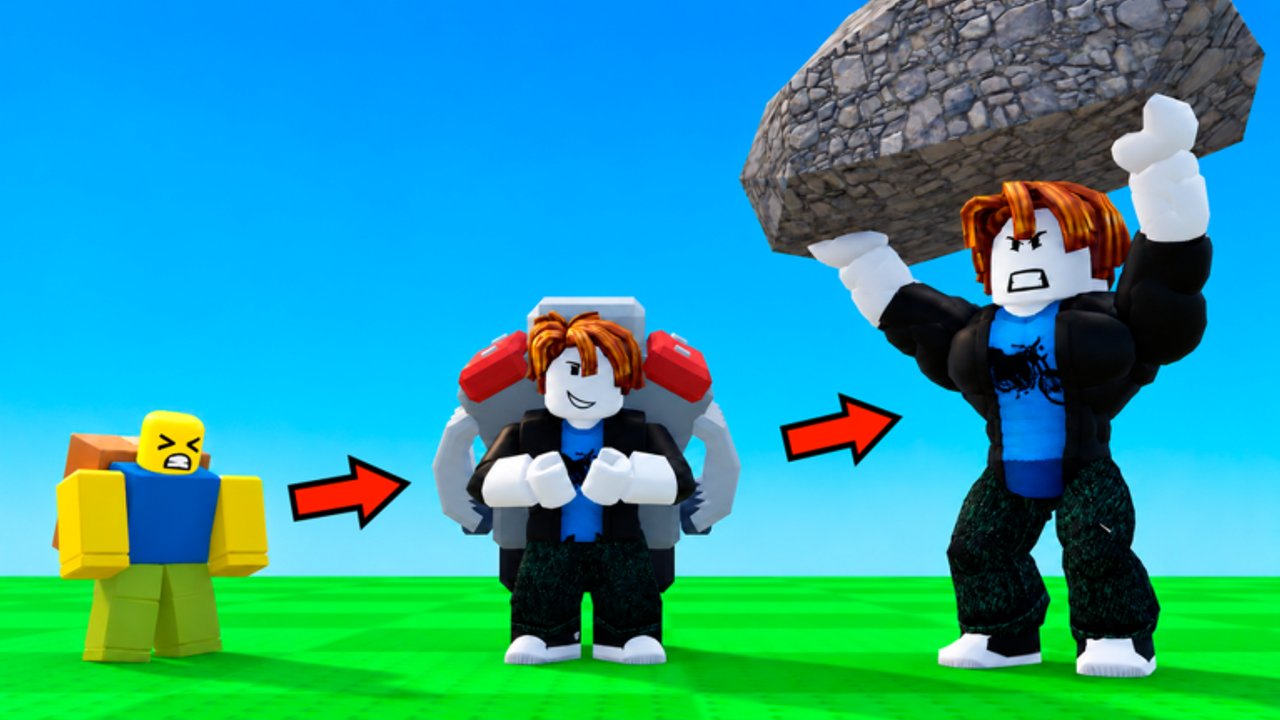
The Players Hub is about how humans actually climb in +1 Jump to Reach the Sky!—not just what the systems allow. The loop is simple on paper: jump for +1 Jump Power, train with Weights, push higher platforms, chase rare Brainrots up top, redeem ABX codes for timed Power and Money boosts, and let offline income work while you are away. Servers hold up to six players, so etiquette, timing, and session design matter as much as raw stats.
Use this hub to build better habits, then dive into Controls for device-specific inputs and ABX UI tips. Pair habits with the Guides Hub for mechanics and the Tier List Hub when you need early vs late priorities.
Community tips that actually move height
Favorite and like the experience. Discovery algorithms and your own Roblox home page both reward the click. It also makes patch days easier to notice when Reach The Sky! ships tweaks.
Share ledges, do not grief them. Six-player rooms get busy on breakthrough pads. If someone is mid-attempt with a Power timer running, give space or take a parallel route. Blocking for laughs costs you reputation and often your own focus.
Callouts beat secrets. When a code wave drops, point friends to the ABX button and the wiki Codes list instead of vague “codes up” messages with typos. Case-sensitive strings fail silently for new players.
Compare routes, not just totals. Leaderboard screenshots without context spawn bad advice (“just camp top”). Ask what Jump Power band, Weight setup, and boost timing they used. The early-game priority and Brainrots tier pages exist so you can translate flex into a plan.
Short coaching > long lectures. New climbers need: redeem codes, jump a lot, buy Weights, save Power for sticky ledges. Send Getting Started before a ten-minute voice essay.
Leaderboard climbing mindset
Leaderboards reward consistency under constraints, not one lucky Brainrot screenshot. Adopt these mental rules:
- Process metrics first. Jumps completed, Weights bought, breakthrough ledges cleared, codes timed correctly—these predict rank better than staring at someone else’s peak height.
- Respect the early curve. Low Jump Power accounts that chase rare high-band loot stall. Follow volume and Weights until mid platforms feel boring; then hunt.
- Treat patches as resets of knowledge, not of identity. Spawn tables and economy knobs change. Rebuild priorities from the Tier List Hub instead of defending last week’s route.
- Six-player variance is real. A quiet server lets you practice precise landings; a full server teaches patience and alternate lines. Both are training. Rage-hopping through crowds burns Power codes for nothing.
- Offline income is part of the ladder. Players who log in only for marathons leave money on the table. Bank idle rewards into Weights so each session starts above the last.
Climbing the board is a calendar habit: frequent focused sessions beat rare heroic ones.
Session planning with offline income
Design logins like workouts.
Micro session (10–15 minutes)
- Redeem anything new on Codes.
- Cash offline income into the next Weight or clear upgrade.
- Warm jump for a minute, then spend one Power boost on a single breakthrough ledge.
- Quit while focused; let offline income work again.
Standard session (25–40 minutes)
- Micro loop, then extend into mid-band volume.
- If mid is stable, peek high-band routes without overstaying a dry Brainrot camp.
- Recheck Weights mid-session if Money boosts lined up.
- End on a clean landing you can resume next time—not a tilt reset.
Hunt session (when high band is unlocked)
- Warm Jump Power first; do not teleport your attention straight to rare pads cold.
- Bring one planned Power window for gate ledges.
- Use the Brainrots tier so you know what is worth camping versus pocketing on the way.
- If the six-player pad is gridlocked, rotate to volume jumping instead of burning the whole timer in a queue.
Offline income fills the gaps: the goal is that every return visit buys something meaningful before the first serious climb attempt.
Mindset pitfalls
- Boost addiction without a target. Timers are tools for ledges that say no—not ambient juice for platforms you already clear.
- Comparing day-one power to week-old accounts. +1 per jump is honest math; they simply hopped more and bought Weights sooner.
- Ignoring controls friction. If mobile jump input feels mushy, fix that on Controls before blaming RNG.
- Skipping guides. Mechanic pages on Weights and power and Brainrots prevent superstition builds.
How this hub links the rest of the wiki
- Controls — PC, mobile, tablet, ABX menu, accessibility and performance tips.
- Guides Hub — walkthroughs, how-to-play, getting started, system deep dives.
- Tier List Hub — early vs late climb ranks.
- Codes — live redeem list and reward types.
- Tools Hub — checklists for boosts, redeems, and breakthroughs.
- Links Hub — official play link and hub map.
Building a personal climb log
You do not need a spreadsheet cult. A notes app with four lines per day is enough: date, approximate Jump Power feel, Weights bought, breakthrough cleared (yes/no), codes used. After a week you will see whether offline income and micro sessions are actually raising the floor. That log also stops bad community advice from overwriting evidence.
When friends ask how you “got good,” show the log and the wiki path—not a single Brainrot flex. Teaching the loop grows a healthier six-player culture than gatekeeping pads.
Closing push
Play social when it helps, solitary when timers demand focus. Keep Controls sharp, keep Guides honest, keep Tier List updated in your head after patches. Jump Power respects volume; leaderboards respect players who plan sessions around offline income instead of hoping one marathon fixes everything.
Frequently Asked Questions
Quick answers for Jump to Reach the Sky players.
What should players focus on first?
Redeem ABX codes, jump for Jump Power volume, buy early Weights, and save Power boosts for breakthrough ledges. Rare Brainrot camping comes after mid platforms feel stable.
How does offline income change session planning?
Use short, focused logins: bank idle rewards into Weights, redeem new codes, then climb. Frequent sessions with offline cash-ins usually beat rare marathon nights.
Any etiquette tips for six-player servers?
Give space on breakthrough pads when someone is mid-Power timer, avoid blocking jumps for laughs, and share accurate code strings instead of vague hype.
Where are controls documented?
See the Controls subpage in this hub for PC, mobile, tablet, ABX access, accessibility, and performance tips for long climb sessions.